


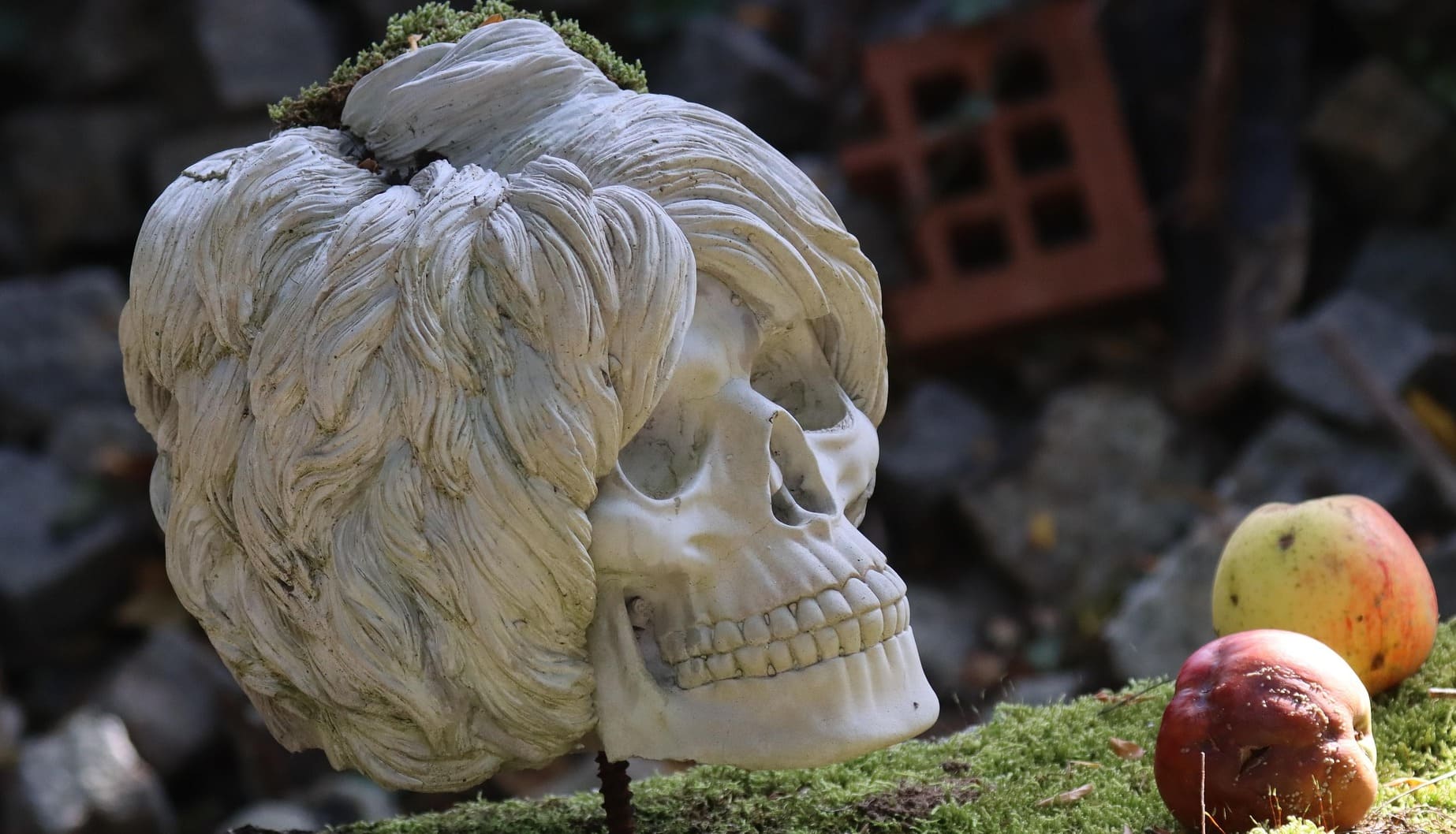
The topic of human skull symbolism has fascinated people for centuries. Skulls are one of the most powerful and instantly recognizable symbols in human history. They appear in ancient carvings, art, and jewelry and have been used to express ideas about life, death, and transformation. Understanding what the human skull symbolizes gives you a deeper appreciation for why this image has remained so popular and meaningful.
Historical Roots of Skull Symbolism
From the earliest civilizations, the human skull was seen as a vessel of life and spirit. Ancient tribes sometimes kept skulls of ancestors as a sign of respect or connection to the past. In archaeology, skulls are often found in ceremonial sites, suggesting they were used in rituals to honor the dead or mark transitions. These uses show that skulls were not feared but respected as powerful symbols.
The Skull as a Reminder of Mortality
One of the most enduring meanings of the skull is as a reminder of mortality. This idea encouraged people to live wisely, stay humble, and remember that life is temporary. Far from being something dark, this was a guide to living with purpose and focusing on what truly matters.
Symbol of Strength and Resilience
The human skull is one of the strongest bones in the body, and for that reason, it has often been used to represent strength and toughness. When worn as jewelry or displayed in art, it can symbolize the inner strength needed to survive hardship and come out stronger on the other side.
Spiritual Meanings of the Human Skull
For many cultures, skulls have spiritual weight. They symbolize the connection between the physical and spiritual worlds. Some believe that looking at a skull helps you reflect on your own spiritual journey, your choices, and the legacy you want to leave behind. This is why skulls are often found in religious and cultural art across many traditions.
- Reflection: Encourages thinking about how you live your life.
- Transformation: Represents personal growth and new beginnings.
- Protection: Seen as a way to keep away negative energy.
- Connection: Links the living with the memory of ancestors.
Chart: Key Aspects of Human Skull Symbolism
The following chart summarizes the main meanings connected to the human skull throughout history and culture:
| Aspect | Symbolic Meaning |
|---|---|
| Mortality | Reminder to live with purpose and stay mindful of life’s shortness |
| Strength | Represents endurance, survival, and toughness |
| Spiritual Reflection | Encourages deeper thinking and personal growth |
| Connection to Ancestors | Respect for family lineage and past generations |
| Protection | Used as a charm to guard against harm |
Human Skulls in Modern Culture
Today, human skull symbolism can be seen in fashion, music, tattoos, and art. Many people wear skull rings, necklaces, or clothing to express individuality and strength. In music scenes like rock and metal, skulls often stand for freedom, rebellion, and living without fear. These uses keep the symbol relevant while connecting back to its historic and spiritual roots.
How to Use Human Skull Symbolism Meaningfully
If you are drawn to skulls, using them in a meaningful way can make them even more powerful. Whether through art, jewelry, or décor, think about what message the skull carries for you personally. It might remind you to stay strong, live fully, or honor someone you have lost. For a deeper guide to their broader meaning, you can read the full page on skull symbol meaning to see how all these ideas connect together.
Final Thoughts
Human skull symbolism continues to inspire because it is universal. Everyone can relate to the ideas of life, death, and personal strength that the skull represents. By understanding the human skull symbolism behind what you wear, draw, or display, you give this symbol more personal value and connect to a tradition that has existed for thousands of years.